
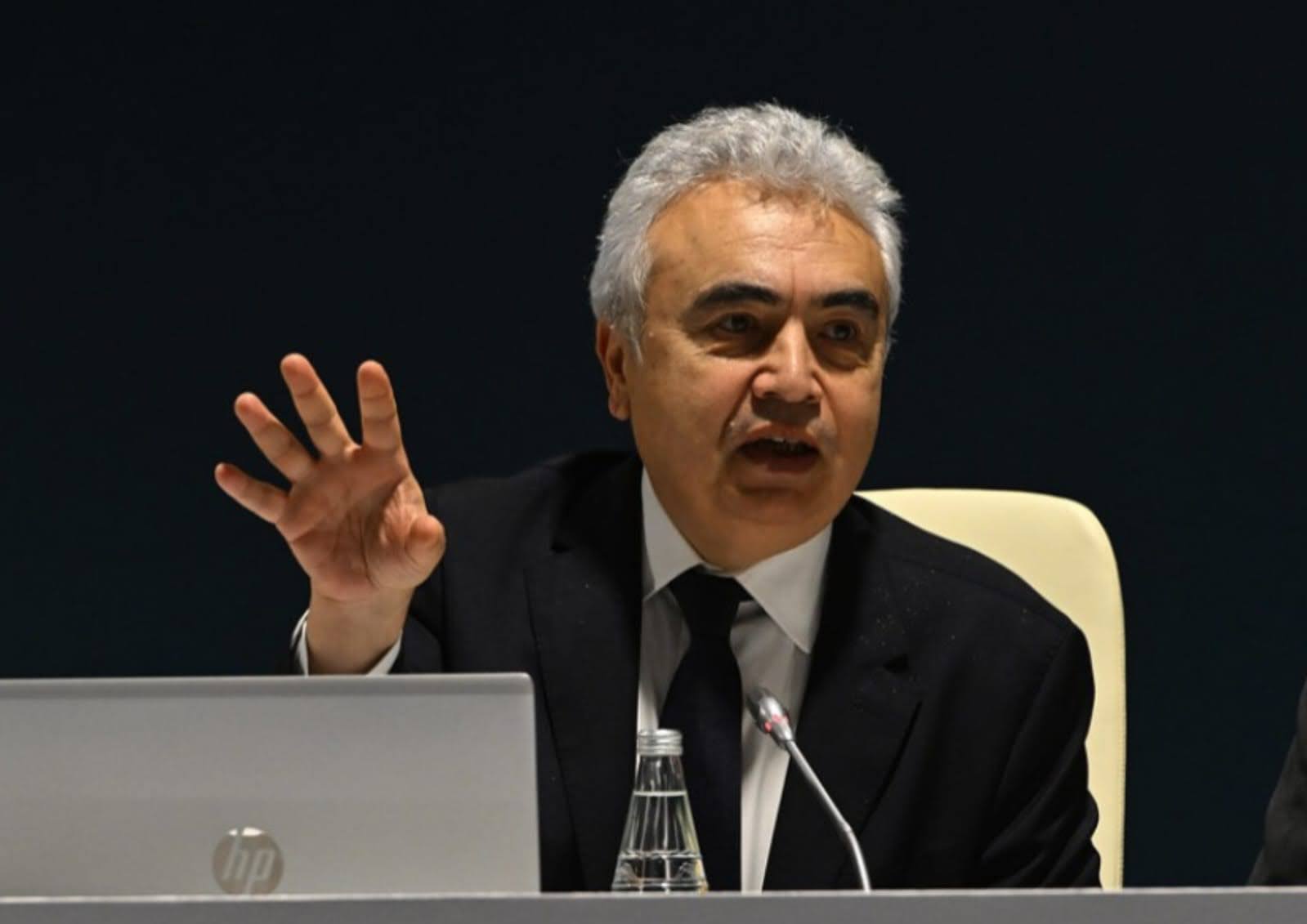
The Iran energy crisis is testing whether the world has truly learned the lessons of past energy shocks, or whether the same mistakes of delayed recognition and fragmented response will be repeated, according to Fatih Birol, the head of the International Energy Agency. Speaking in Canberra, the IEA chief acknowledged that world leaders initially failed to grasp the depth of the crisis — a failure that echoed the slow early responses to the 1970s oil shocks. He said the world could not afford to repeat the pattern of response.
The conflict began February 28 with US and Israeli strikes on Iran and rapidly escalated, leading to the closure of the Strait of Hormuz and severe damage to Gulf energy infrastructure. Oil losses have reached 11 million barrels per day and gas losses 140 billion cubic metres — figures that surpass the combined impact of the 1970s oil crises and the Ukraine gas disruption. Birol said the speed and scale of the deterioration demanded a response that was faster and more coordinated than anything seen in previous crises.
The IEA acted on March 11 with a record release of 400 million barrels from strategic petroleum reserves. Birol said further releases were under consideration, with consultations ongoing across three continents. He also called on governments to adopt demand-reduction policies including remote work, lower motorway speeds, and reduced commercial aviation.
The Hormuz strait, carrying about 20 percent of global oil supply, remains closed to commercial shipping. Asia-Pacific nations have been hardest hit, while European fuel markets have also tightened. Japan indicated potential willingness to contribute military minesweeping assets if a ceasefire is achieved. Birol identified reopening the strait as the single most critical step toward market stabilization.
Iran threatened retaliatory strikes on US and allied energy and water infrastructure after Trump’s ultimatum expired. Birol met with Australian Prime Minister Anthony Albanese and urged governments to act decisively and collectively. His conclusion was clear: the true measure of whether the world had learned from past energy crises would be determined not by what governments said, but by how quickly and effectively they acted in the coming days and weeks.