
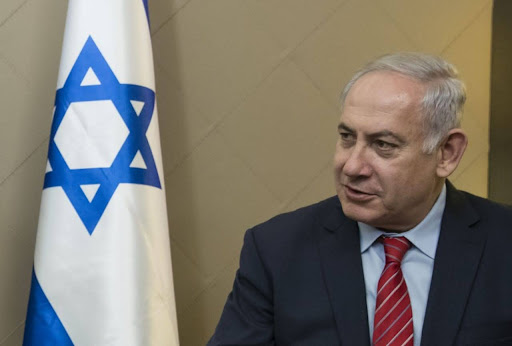
Israeli Prime Minister Benjamin Netanyahu made a sweeping historical claim on Friday, asserting that twenty days of conflict had fundamentally transformed the Middle East by rendering Iran militarily finished. He announced that Iran no longer held the capacity to enrich uranium or manufacture ballistic missiles and predicted the war would conclude faster than most people anticipated. Netanyahu rejected reports about Israeli manipulation of US policy as fabricated.
The prime minister addressed the Trump-Israel relationship with characteristic directness. He described their coordination as historically unmatched and positioned Trump as the partnership’s leader. Netanyahu revealed that Trump had contributed his own independent and deeply formed understanding of Iran’s nuclear threat to their discussions, rather than simply receiving briefings from Israeli sources.
Netanyahu confirmed Israel’s unilateral strike on the South Pars gas compound and acknowledged Trump’s personal request to pause further attacks on Iran’s gas infrastructure. He handled both disclosures with diplomatic ease, framing them as healthy features of a close alliance. Netanyahu maintained throughout that Israel’s military autonomy had not been compromised by such diplomatic communication.
On the Hormuz threats, Netanyahu was dismissive and strategic. He called them blackmail that would fail and proposed overland pipeline routes from the Arabian Peninsula to Israeli and Mediterranean ports as a structural solution. Netanyahu argued this infrastructure would permanently reduce the global community’s vulnerability to Iranian maritime pressure.
Netanyahu closed with commentary on Iran’s leadership dysfunction. He noted Mojtaba had not been seen publicly since fighting began and said he was genuinely unsure who was governing Iran. Netanyahu observed intense competition among Tehran’s power factions and concluded that this internal chaos, layered over military losses, was driving the conflict toward an end sooner than the world anticipated.