
The long-awaited, comprehensive semiconductor tariffs, initially conceived as a central pillar of Donald Trump’s protectionist economic agenda, are reportedly being put on a slower track by the current US administration. This internal signal of deceleration signifies a crucial check on the aggressive trade strategy that has captured the attention of Washington policy circles for several months. The hesitation points toward a fear of global economic ripple effects that could be unleashed by immediate, sweeping action.
Individuals familiar with confidential government discussions have indicated that both public sector agencies and private industry were recently apprised of the administration’s decision to adopt a more measured pace. The key reason for this sudden change in momentum, according to these sources, is the palpable fear that swift tariff imposition could be the spark that ignites a new, volatile trade confrontation with Beijing, something the White House is keen to avoid.
Administration experts are expressing specific concerns regarding the potential for these new taxes to instantly impede the flow of vital inputs necessary for American industry. The focus of this worry is the reliance of US sectors on materials like rare earth minerals. While officials insist that the tariffs are still an ultimate policy goal, they are intentionally stretching out the implementation to avoid an instantaneous rupture in the often-strained relationship with the Chinese government.
Despite the verifiable internal evidence of a slowdown, the White House has publicly offered firm denials regarding any shift in its strategic direction. It continues to assert its strong commitment to bringing manufacturing back home and safeguarding the nation’s security architecture. Nevertheless, the administration has conspicuously failed to provide a definitive date or any timeline clarity on when the tariffs—first proposed years ago—will actually become law.
The political environment makes the timing exceptionally sensitive. Given widespread anxiety among US households over inflation and rising costs, introducing a new levy on imported chips could spike the cost of popular electronics just as families prepare for the holiday gift-buying season. Furthermore, the delay is politically advantageous, allowing the President to preserve the current delicate truce with China that was recently established in high-level talks.
Tariff Trouble: Why Trump’s Chip Tax Plan is Facing Internal Delays
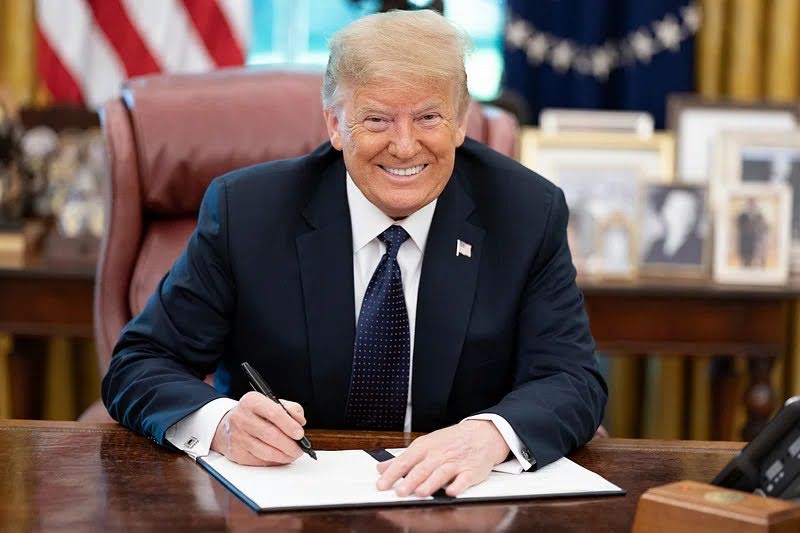
Picture Credit: www.rawpixel.com
36