
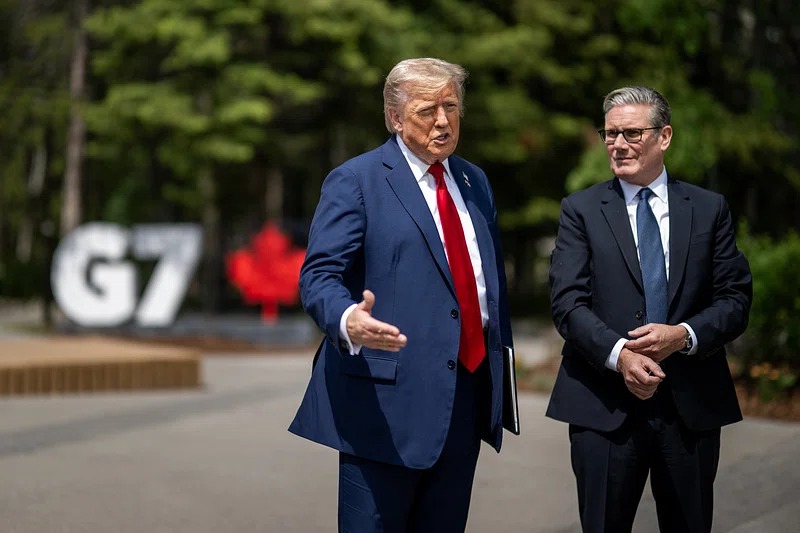
For governments around the world that maintain close relationships with the United States, the Iran conflict has offered a valuable — if uncomfortable — lesson in what allied support now means and how quickly the consequences of not providing it can materialise.
The speed and visibility of the American response to Britain’s initial refusal were striking. Within hours of the diplomatic friction becoming public, the president had delivered a pointed rebuke via social media. The secretary of state reinforced the message at an international forum. The combined effect was immediate and highly visible pressure.
Other allied governments would have been watching closely. The lesson appeared to be that the current American administration expects prompt and unconditional support from its closest partners — and that deviation from that expectation will be met with swift and public consequences.
Britain’s eventual reversal — granting limited access framed as defensive — provided a template for how to partially recover from such a situation. But the president’s subsequent dismissal of the UK’s offer of further assistance made clear that recovery was only partial; the damage to the relationship, at least in the short term, had been done.
For allied governments calculating their responses to future American requests, the Iran episode provided a sobering data point. The cost of hesitation had been made very visible. Whether that visibility would change future behaviour — or simply intensify the pressures on democratic governments already struggling to manage competing domestic and international demands — remained an open question.