
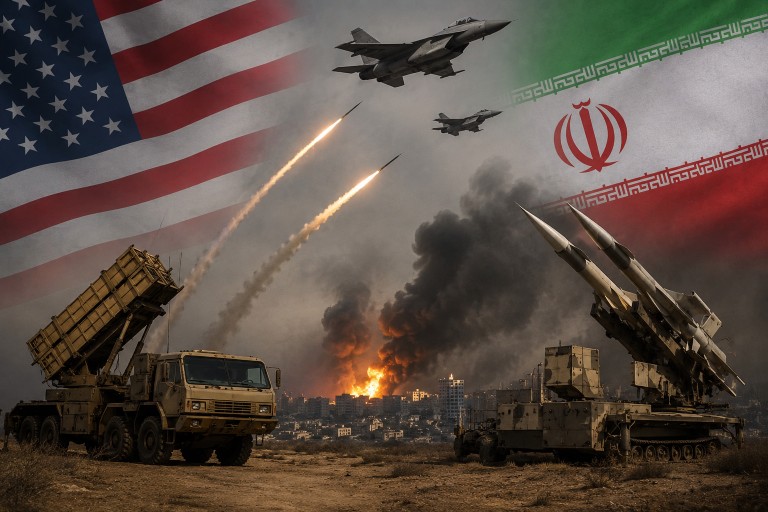
The United States and Iran have been embroiled in military operations for six days straight, escalating fears of a broader regional conflict and jeopardizing a recently established interim peace agreement. The U.S. launched fresh strikes against targets near Tehran, including a vessel near Iran’s Kharg Island after it reportedly ignored multiple warnings. In turn, Iranian officials reported dozens of casualties and denounced the attacks.
Iran retaliated by launching missiles and drones at Bahrain, Jordan, and Kuwait, all of which host U.S. military bases. There was also an intercepted drone attack near Erbil, Iraq, and a temporary suspension of oil loading operations at Basra following a drone strike on a tanker, though it caused no significant damage. Meanwhile, tensions have surged around the Strait of Hormuz, a vital global energy passage. Iran announced it had closed the strait and warned of broader military actions if the U.S. continued targeting its infrastructure. This move has put Iranian-backed groups in the region on high alert, heightening concerns about potential disruptions to international shipping routes.
The ongoing military escalation has started to impact global energy markets, with oil prices rising to approximately $85 per barrel as shipping through the Strait of Hormuz decreased. Several nations, including India, have cautioned against sending merchant vessels and crews through the area until the security situation is resolved.
Despite the increasing hostilities, U.S. President Donald Trump has stated that Washington is still open to negotiating a settlement. However, Iranian leaders remain firm in their stance against negotiating under military pressure. Diplomatic initiatives by regional mediators have yet to alleviate the tensions, as both nations remain locked in a cycle of confrontation.