
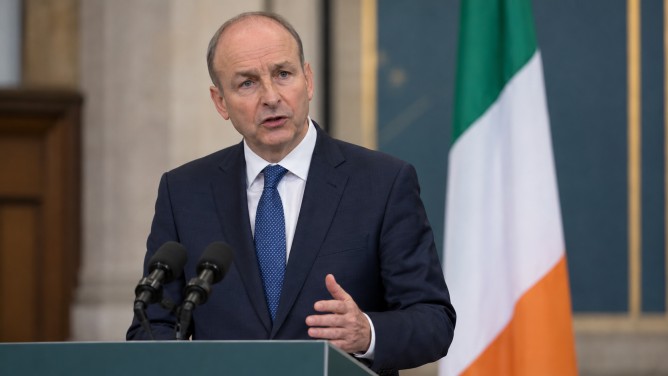
Irish Taoiseach Micheál Martin has called on public sector unions to ease tensions and consider negotiation over planned nationwide strikes, arguing that the government has made significant financial commitments to address workers’ concerns. Speaking ahead of the industrial action scheduled for October 14 and potentially October 21, Martin emphasized that strikes are unnecessary given measures like tax reductions and a €1.2 billion allocation for public service pay announced in the national budget.
Martin’s comments have sparked criticism from union leaders, including Phil Ní Sheaghdha, general secretary of the Irish Nurses and Midwives Organisation (INMO), who described them as inflammatory and dismissive of the unions’ grievances. Unions contend that the government’s pay offer does not adequately address the ongoing cost-of-living pressures affecting more than 300,000 public sector workers expected to participate in the strikes.
The industrial action threatens to disrupt parliamentary activities, with union pickets planned outside Leinster House, raising uncertainty about the continuation of scheduled parliamentary sessions and committee meetings. SIPTU, one of Ireland’s largest trade unions, has urged the government to expedite negotiations to recover the purchasing power lost during 2026 and warned of potential escalation if progress is not made.
Public Expenditure Minister Jack Chambers described the planned strikes as unjustified, emphasizing the government’s willingness to engage in discussions and noting that standard procedures would apply to employees absent during the strikes. The ongoing dispute underscores escalating tensions between the Irish government and public sector unions over wages and living costs, with both sides yet to reach an agreement on a potential pay deal.