
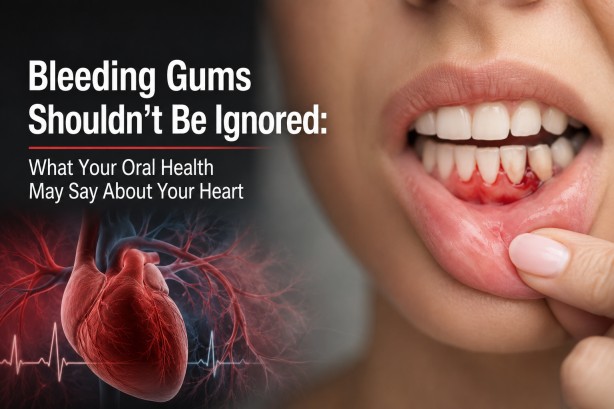
Frequent gum bleeding, often dismissed as a minor inconvenience, can signal underlying gum inflammation that merits attention. Increasing attention is being paid to the link between oral health and overall well-being, particularly the connection between gum disease and cardiovascular conditions. Researchers have been delving into how periodontal disease, which arises from bacteria and plaque-induced inflammation around teeth, relates to heart health. Although this does not imply that gum disease directly causes heart attacks or cardiovascular events, it does suggest that both conditions share common pathways involving chronic inflammation and certain risk factors.
Inflamed gums allow bacteria from the mouth to enter the bloodstream, and these oral bacteria have been found in arterial plaque, further fueling interest in the oral-cardiovascular health connection. Chronic inflammation is a potential culprit, as it can impact blood vessels and is implicated in the development of cardiovascular diseases. Thus, persistent gum issues should not be dismissed as merely cosmetic concerns, as they may have broader health implications.
Bleeding gums serve as a warning sign. Healthy gums generally do not bleed regularly during brushing or flossing, though occasional bleeding might occur due to aggressive brushing or when someone begins flossing. Consistent bleeding, however, may indicate plaque buildup or gum disease. Accompanying symptoms can include swollen or tender gums, persistent bad breath, gum recession, and loose teeth. Ignoring these indicators could allow gum inflammation to escalate, potentially leading to more severe dental health problems.
Maintaining optimal oral hygiene is a straightforward way to safeguard dental health. This includes brushing teeth twice daily with a soft-bristled toothbrush and fluoride toothpaste, flossing daily to remove plaque and food particles, and scheduling regular dental checkups to catch gum inflammation, cavities, and other issues early. While good oral hygiene is crucial for preventive healthcare, it should complement other health measures such as maintaining healthy blood pressure and cholesterol levels, staying active, eating a balanced diet, and avoiding smoking.
Should you frequently experience gum bleeding or notice persistent swelling or other oral changes, consulting a dental professional is advisable. Oral health is a vital component of overall health, and addressing gum issues promptly can help mitigate their potential impact on cardiovascular health.